Explore the Power of HEMI Engines: Performance Improvements and Benefits Explained
HEMI engines are renowned for their distinctive design and impressive performance capabilities. Enthusiasts often seek ways to enhance their power and efficiency through various upgrades. From air intake upgrades to cutting-edge tuning strategies, a wide variety of options can be found. Still, not all upgrades produce the same level of improvement. Knowing the most successful approaches and frequent mistakes is critical for optimizing engine performance. Which targeted modifications can genuinely unlock the complete capabilities of these robust engines?
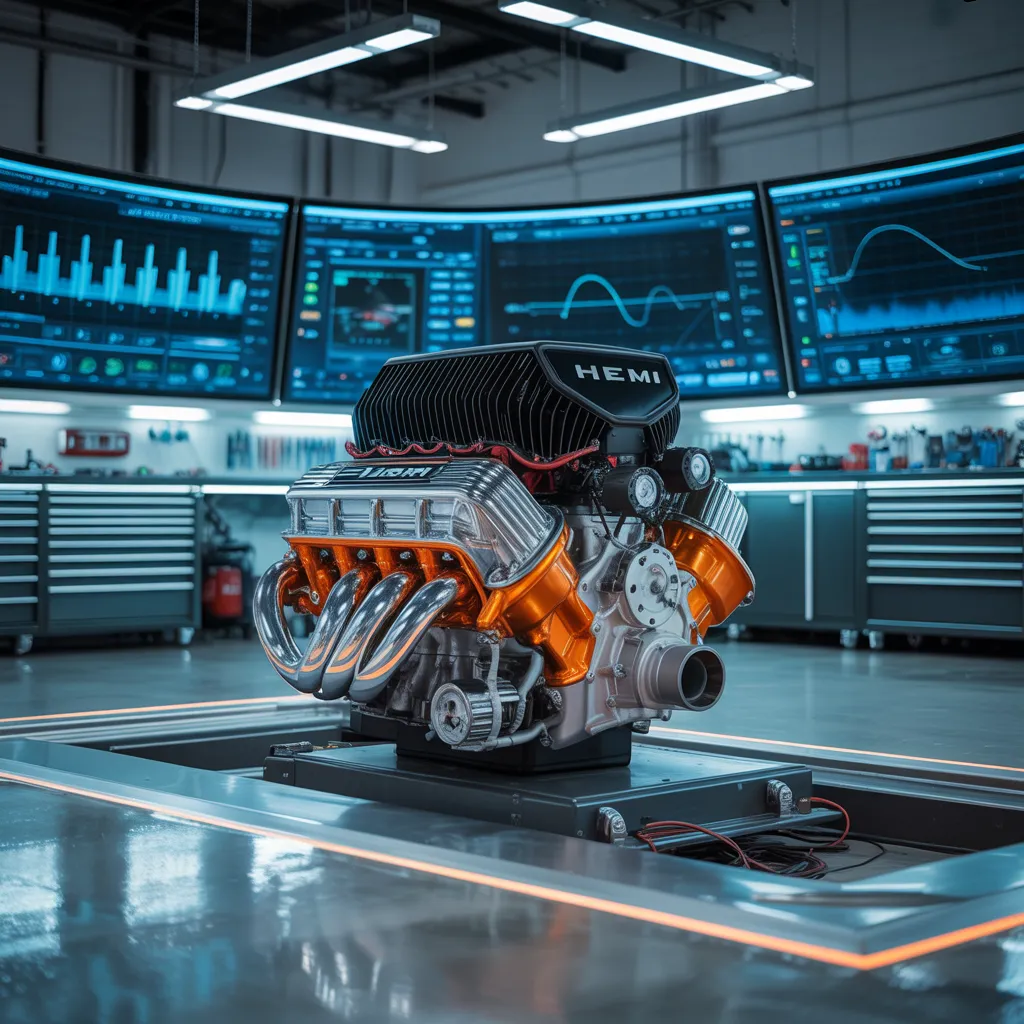
What Are HEMI Engines and Why Do They Stand Out?
HEMI powerplants, renowned for their distinctive hemispherical combustion chambers, have established themselves as legends in the automotive world. Their unique design promotes efficient airflow, resulting in better fuel combustion and increased power output. The combustion chamber's geometry perfects the angle at which the fuel-air combination enters, enhancing performance across a wide range of RPM ranges.
Such engines generally include a tapered piston, which works in harmony with the curved chamber, leading to a more efficient combustion process. This leads to increased torque and power compared to standard flat-head engine configurations. Furthermore, HEMI engines frequently employ a twin overhead camshaft configuration, further improving performance and responsiveness.
The integration of these mechanical features not only enhances their robust performance but also delivers a unique auditory experience, making them a top choice among automotive enthusiasts. Their legacy continues to thrive, representing power and innovation in the automobile industry.
Enhancing Horsepower Using HEMI Modifications
Improving horsepower in HEMI engines can be accomplished through various reliable modifications. Critical modifications include enhancing intake air systems, implementing high-performance exhaust modifications, and examining different tuning solutions for the engine. These modifications plays a vital role in maximizing engine efficiency and output.
Air Intake Components
When looking at power improvements for HEMI engines, air induction systems serve a vital purpose in enhancing horsepower. Such systems are engineered to optimize airflow into the engine, allowing for better combustion and increased power output. By swapping out stock air intakes for high-performance alternatives, owners can considerably decrease air flow restrictions, resulting in improved throttle response and acceleration. Aftermarket air intake systems often feature larger diameter pipes, high-flow air filters, and better cold air induction designs, helping to deliver more efficient engine operation. Additionally, they can enhance engine sound, offering a more dynamic sound during operation. In summary, installing a performance air intake system is an important move for enthusiasts aiming to achieve the maximum performance from their HEMI engines.
Exhaust System Performance Upgrades
Improving the exhaust system is an essential step for boosting the performance of HEMI engines. A high-performance exhaust system allows for improved airflow, minimizing back pressure and helping the engine to operate more efficiently. This boost in performance leads to higher horsepower and torque. Elements like headers, cat-back systems, and performance mufflers can substantially enhance exhaust flow dynamics. Moreover, these modifications can enhance the engine's sound, creating a more aggressive tone that many performance seekers value. When paired with other modifications, such as optimized air intake systems, the advantages become even greater. Ultimately, performance exhaust upgrades stand as an essential step for those looking to maximize the potential of their HEMI engines.
Motor Tuning Options
Engine tuning techniques serve a critical function in unlocking the full potential of HEMI engines. By fine-tuning the engine's air-to-fuel ratio, ignition timing, and other parameters, owners can significantly increase horsepower and torque. Widely used methods feature reprogramming the engine control unit (ECU) with performance tunes, allowing for optimized fuel delivery and timing. Additionally, aftermarket tuners often provide customizable options that address specific driving styles, whether for everyday driving or competitive racing. Integrating performance data upgrades, such as upgraded air intake systems or performance fuel injectors, maximizes the advantages of the tuning process. Overall, a well-executed tuning approach not only elevates performance but also refines throttle precision, making it a necessary upgrade for HEMI owners seeking enhanced driving experiences.
Best Performance Enhancements for HEMI Engines
Numerous enthusiasts look to improve the performance of HEMI engines to release their full potential. Primary upgrades feature cold air intakes, which optimize airflow and elevate horsepower. Performance exhaust systems are also essential, as they decrease backpressure and amplify engine sound. Upgrading the camshaft can optimize valve timing for greater torque and horsepower, while high-performance fuel injectors guarantee a more efficient fuel delivery.
Furthermore, adding a high-performance throttle body allows for quicker feedback and enhanced airflow. Engine calibration, using a tailored ECU remap, can amplify improvements from these modifications by optimizing fuel maps and ignition timing. Lastly, upgrading to a high-capacity oil cooler can enhance engine durability by preserving perfect temperatures during aggressive driving. Each of these upgrades works together to transform a standard HEMI engine into a performance machine, providing enthusiasts with a exhilarating driving experience.
Strategies for Boosting HEMI Fuel Efficiency
Even though performance enhancements commonly drive debates surrounding HEMI engines, fuel economy is just as crucial for enthusiasts seeking to harmonize power and efficiency. Multiple methods are available to boost fuel efficiency while maintaining optimal performance.
Routine maintenance is essential; keeping the engine well-tuned, encompassing prompt oil changes and air filter swaps, ensures optimal performance. Moreover, using high-quality fuel can enhance combustion efficiency. Tire pressure should be monitored and maintained, as adequately inflated tires decrease rolling resistance.
The way you drive also plays a major role; using smoother acceleration and deceleration can produce significant savings on fuel. Cutting down on excess weight and eliminating unneeded cargo can additionally improve fuel performance.
As a final consideration, considering the use of fuel-saving driving modes, if available, empowers drivers to optimize settings for better mileage. Through applying these methods, HEMI drivers can experience greater fuel efficiency while maintaining their engine's exceptional power.
How Exhaust Modifications Can Boost Your HEMI Performance
Upgrading the exhaust system can significantly enhance HEMI performance by enhancing exhaust flow dynamics. This not only enables improved horsepower potential but also produces a more appealing engine sound quality. Such improvements can redefine the driving experience, making it both more responsive and rewarding.
Superior Exhaust Flow Dynamics
Improved exhaust flow dynamics play an essential role in enhancing HEMI engine performance, as well-designed exhaust systems can significantly minimize backpressure. By utilizing high-performance headers, larger diameter pipes, and high-flow catalytic converters, the exhaust gases can leave the engine with greater ease. This reduction in backpressure facilitates more rapid exhaust expulsion, supporting enhanced air intake and boosting combustion effectiveness. As a result, HEMI engines gain notable horsepower and torque improvements, along with improved throttle sensitivity. Additionally, these upgrades can contribute to improved fuel efficiency, making them an attractive option for power-focused drivers. Overall, implementing exhaust flow improvements not only enhances overall performance but also optimizes the engine's output capacity, ensuring an enhanced and thrilling driving experience.
Superior Engine Sound Enhancement
Once exhaust upgrades are put in place, they not only boost a HEMI engine's performance but also considerably elevate its sound quality. Updating the exhaust setup allows for a more aggressive and refined exhaust note, providing a richer, more pronounced sound that many automotive fans find desirable. This change is accomplished through components such as performance mufflers and high-flow catalytic converters, which lower back pressure and elevate the overall acoustic experience. The sound produced by a upgraded exhaust system shapes the vehicle's identity, helping it distinguish itself on the road. Furthermore, a properly calibrated exhaust can inspire feelings of power and performance, elevating the driving experience for HEMI owners while drawing interest from fellow automotive enthusiasts.
Greater Horsepower Potential
Exhaust modifications unlock considerable power potential in HEMI engines, revolutionizing their performance output. By enhancing exhaust flow, these modifications reduce back pressure, allowing the engine to breathe more freely. High-performance headers and cat-back exhaust systems enhance the expulsion of exhaust gases, which produces improved engine efficiency. This optimized flow not only contributes to higher horsepower but also sharpens throttle response, rendering acceleration more responsive and forceful. Additionally, lightweight components can lower total vehicle weight, further enhancing performance. When combined with other modifications, such as performance air intake systems, the power increases can be significantly greater. Ultimately, exhaust upgrades offer HEMI owners a straightforward and effective method to release greater power and performance from their engines.
Advanced Performance Tuning for HEMI Engines
Unlocking the maximum performance of HEMI engines demands a solid understanding of advanced tuning approaches. These approaches include reprogramming engine control units (ECUs) to enhance fuel maps and ignition timing, which considerably elevates performance. Custom tuning permits enthusiasts to adjust settings based on specific upgrades, such as performance intakes or exhaust systems.
Furthermore, leveraging performance chip upgrades can offer quick enhancements in power and torque output by optimizing engine parameters for superior performance and fuel efficiency. Performance data logging tools are essential for analyzing overall engine performance in live time, enabling fine-tuned adjustments that optimize air-fuel mixtures and boost levels.
Additionally, sophisticated tuning may incorporate refining camshaft configurations and valve timing sequences, maximizing engine airflow for maximum efficiency. By utilizing such approaches, HEMI vehicle owners can achieve substantial gains in both performance and drivability, converting their machines into superior performance machines that represent their individual specifications and personal driving styles.
Typical Errors to Steer Clear of When Upgrading Your HEMI
What common errors should HEMI enthusiasts avoid during their modification journey? One frequent error is failing to research compatibility when choosing components. A large number of enthusiasts acquire components without checking their suitability for certain HEMI models, causing performance setbacks or costly exchanges.
Another common mistake is failing to recognize the significance of tuning after upgrades. Engine upgrades frequently require the engine's computer to be recalibrated in order to maximize performance, and neglecting this step can lead to disappointing outcomes.
Moreover, many fail to recognize the significance of professional installation. DIY modifications can result in mistakes, especially with complicated systems.
Lastly, hobbyists frequently favor aesthetics over functionality, spending money on showy upgrades that fail to improve engine capability. By steering clear of these mistakes, HEMI enthusiasts can ensure a smoother upgrade process and reach the intended upgrades successfully.
Commonly Asked Questions
What Vehicles Commonly Use HEMI Engines?
HEMI engines can frequently be found in numerous Dodge and Chrysler vehicles, including the Charger, Challenger, Ram trucks, and Jeep Grand Cherokee. These engines have earned a strong reputation for their power and performance capabilities across multiple models.
What Sets a HEMI Engine Apart from a V8?
A HEMI engine typically offers enhanced power and torque capabilities in contrast to a standard V8, thanks to its distinctive hemispherical combustion chamber structure. This setup boosts efficiency and performance, making HEMIs a favorite with performance enthusiasts.
Can You Rely on HEMI Engines for Everyday Use?
HEMI engines are generally considered reliable for daily driving, providing a combination of power and longevity. Many users report satisfactory longevity and efficiency, making them a practical option for consistent use across diverse road conditions.
What Is the History Behind HEMI Engines?
HEMI engines originated in the 1950s, utilizing a hemispherical chamber design that enhanced efficiency and performance. Initially popular in racing, they gained widespread acclaim in consumer vehicles, boosting performance and cementing their iconic reputation.
Can I Install a HEMI Engine in Any Vehicle?
Mounting a HEMI engine in virtually any vehicle is doable, but necessitates considerable alterations. Fitment with the vehicle's transmission, chassis, and electrical systems must be assessed, as well as emissions standards and legal regulations in the locality.